ABOUT US
We welcome new and old customers from all walks of life to contact us for future business relationships and mutual success!
GET A FREE QUOTE
-
Home

-
Blog
-
Industry News
- Rigid vs. Flexible Grooved Couplings: Which to Choose
Rigid vs. Flexible Grooved Couplings: Which to Choose
-
 JunTong
 - 4,September
Understanding Modern Mechanical Pipe Coupling Technologies
Pipe networks in office towers, factories, and city projects need solid joints that stay leak-free. Mechanical pipe coupling delivers fast assembly without flames. It holds up well over time despite shifts in pressure, heat, and movement.
The Evolution of Mechanical Pipe Jointing
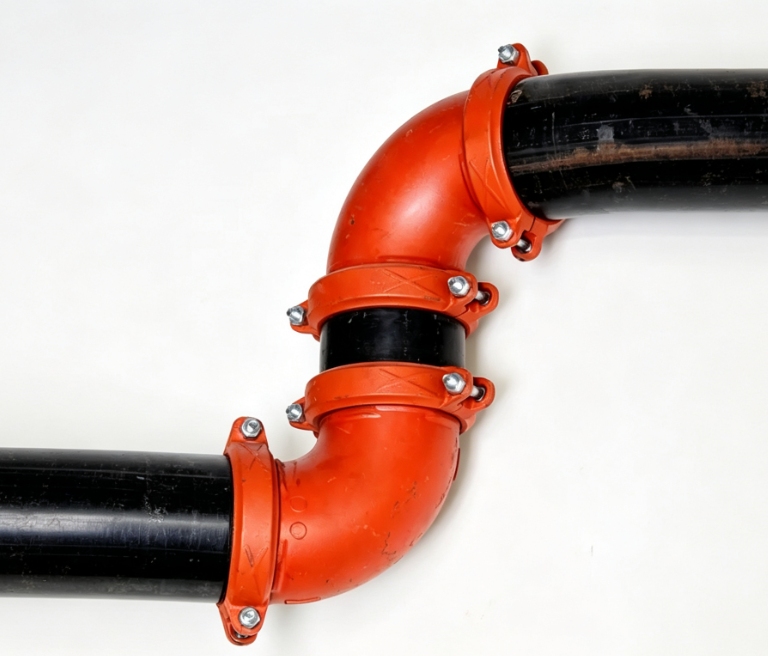
Grooved mechanical pipe coupling technology has largely replaced traditional field welding and threaded connections due to clear operational advantages:
- Installation Efficiency: Cold-formed grooved connections eliminate open-flame hazards and specialized welding labor, accelerating jobsite assembly while simplifying grooved coupling installation.
- System Flexibility: Standardized groove profiles allow quick field modification, rapid component inspection, and simplified system maintenance without hot-work permits.
- Reliable Sealing: Pressure-responsive C-shaped gaskets provide positive sealing under both working pressure and partial vacuum conditions.
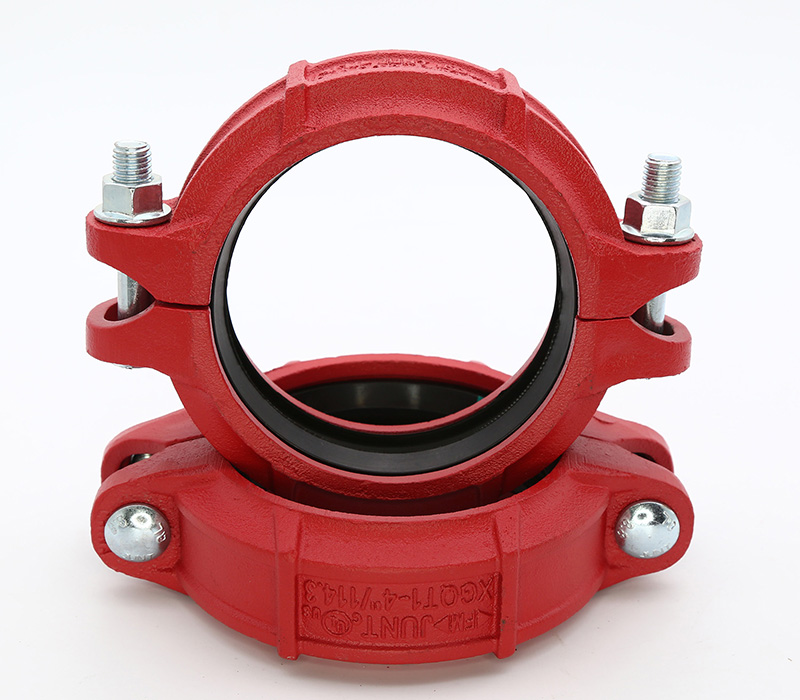
As a trusted grooved coupling manufacturer and global grooved pipe coupling supplier, JunTong produces high-strength ductile iron grooved pipe coupling products and fittings engineered with thickened body walls and high-grade EPDM gaskets for exceptional performance in demanding environments.
Decoupling the Mechanics: Rigid vs Flexible Grooved Coupling Designs
Selecting the right fitting requires a thorough understanding of how internal fluid pressure and external forces act upon pipe joints. Proper grooved coupling selection between rigid vs flexible grooved coupling designs ensures optimal piping alignment, movement accommodation, and structural stability.
Engineering Profile of Rigid Grooved Couplings
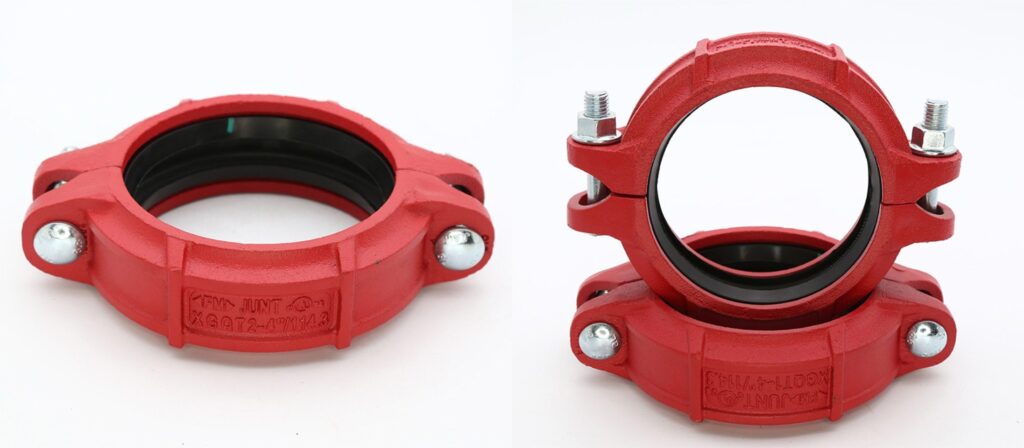
A rigid grooved coupling creates a firm, immovable joint designed to lock pipe ends tightly into continuous alignment:
- Positive Mechanical Lock: Features angled bolt pads and heavy-duty housing keys that seat firmly into pipe grooves to prevent axial, angular, and torsional displacement.
- Structural Integrity: Functions similarly to a welded or flanged connection, supporting pipe self-weight along horizontal runs and vertical risers without sagging.
- Primary Applications: Essential for fire protection sprinkler risers, long straight distribution mains, and mechanical room headers where absolute rigidity is required.
Engineering Profile of Flexible Grooved Couplings
A flexible grooved coupling allows controlled linear expansion, contraction, angular deflection, and axial rotation within specified groove tolerances:
- Thermal Movement Control: Operates effectively as a thermal expansion coupling, absorbing linear expansion and contraction caused by seasonal fluid temperature changes.
- Vibration Dampening: Acts as a reliable vibration isolation coupling, reducing mechanical noise and equipment vibration near pumps, chillers, and compressors.
- Seismic Hazard Protection: Functions as a seismic flexible coupling, accommodating differential structural movement during earthquakes to protect piping networks from shear failure.
Understanding the difference between rigid grooved coupling and flexible grooved coupling is essential for engineers selecting the correct connection method for different operating environments.
Practical Application Scenarios and Grooved Coupling Selection Strategies
Optimal system longevity requires matching coupling mechanical characteristics to specific operational conditions. System designers must evaluate fluid temperature, operating pressure, pipe movement, and environmental conditions during grooved coupling selection.
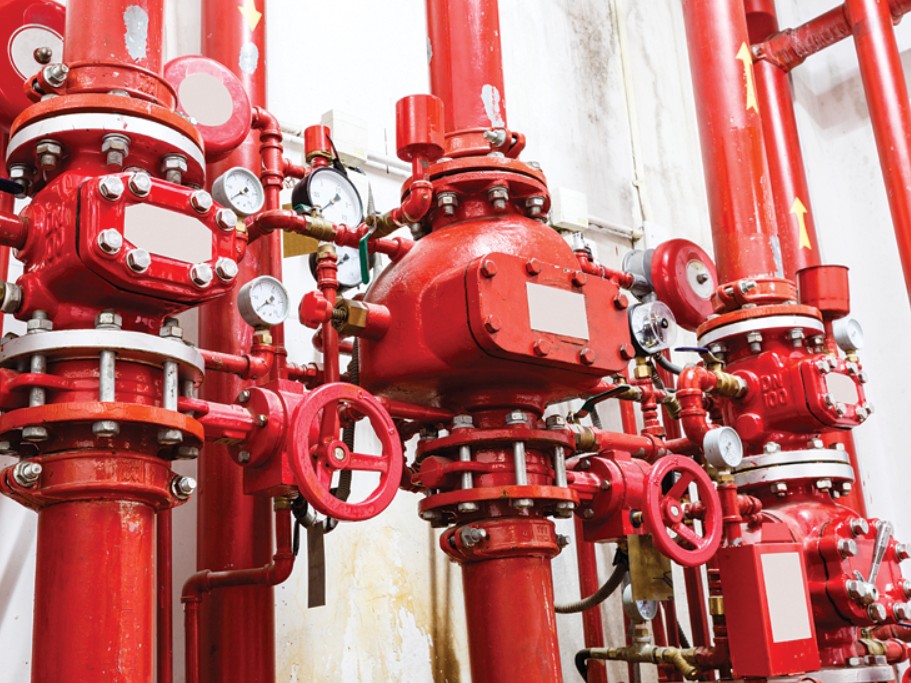
Fire Protection Grooved Coupling Applications
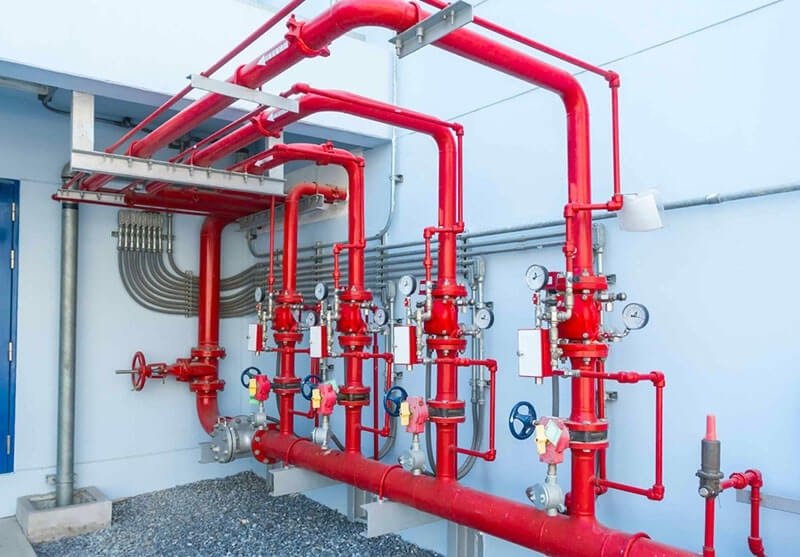
Fire protection networks require immediate readiness and uncompromising pressure retention under sudden flow surges:
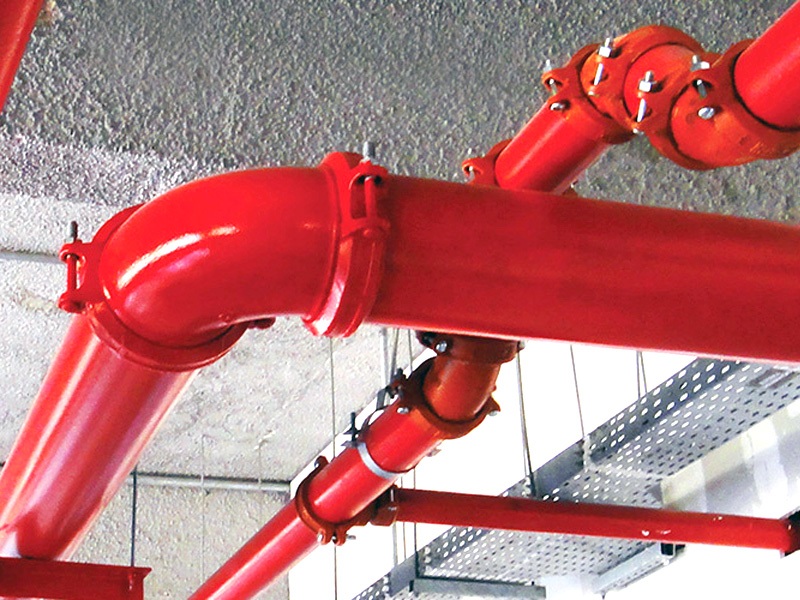
- Riser and Main Line Support: Rigid grooved coupling products are installed along vertical risers and horizontal main lines to maintain axial alignment and sustain heavy hydraulic loads.
- Branch Line and Seismic Separation: Flexible grooved coupling products are deployed at building expansion joints and drop nipples to absorb structural settling and seismic movement.
- High-Pressure Security: JunTong fire protection grooved coupling products feature thickened ductile iron casting and UL/FM compliant seals engineered for reliable fire protection performance.
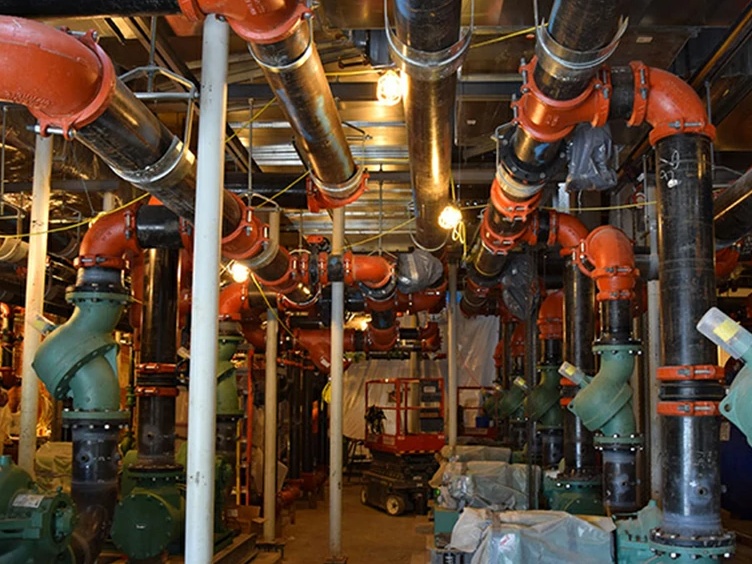
HVAC Grooved Coupling and Industrial Piping Systems
Heating, ventilation, air conditioning, and industrial process lines endure continuous temperature fluctuations and mechanical pump movement:
- Equipment Isolation: Installing HVAC grooved coupling solutions directly adjacent to pumps and chillers helps reduce vibration transmission through building structures.
- Space-Saving Expansion Joints: Combining flexible and rigid couplings along horizontal mains reduces the need for bulky expansion loops while maintaining system flexibility.
- Corrosive Media Management: JunTong industrial pipe coupling solutions feature specialized elastomeric gaskets suitable for hot water, glycol solutions, and compressed air systems.
For industrial facilities, selecting the correct industrial pipe coupling configuration improves operational reliability while reducing maintenance requirements.
Best Practices for Grooved Coupling Installation and Technical Support
Achieving long-term leak-free service depends on proper jobsite handling, accurate component selection, and precise upfront engineering. Partnering with an experienced grooved coupling manufacturer minimizes selection errors and ensures smooth project execution.
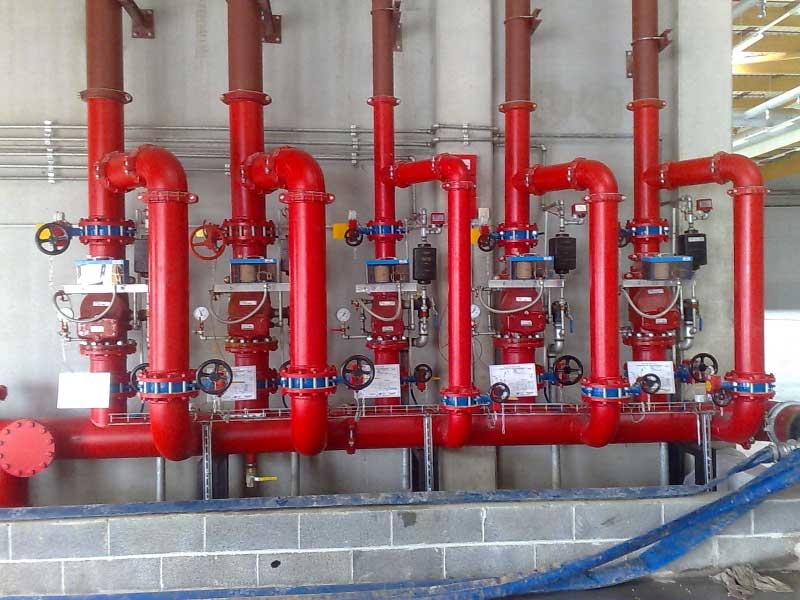
Step-by-Step Grooved Coupling Installation Protocol
Proper assembly requires adherence to standardized field installation procedures:
- Groove and Pipe Preparation: Inspect roll-grooved or cut-grooved pipe ends to ensure they are smooth, clean, and free of rust, scale, or burrs before grooved coupling installation.
- Gasket Lubrication: Apply a uniform coating of compatible lubricant to the gasket exterior and sealing lips to prevent pinching during casing closure.
- Bolt Torque Alignment: Position coupling housings over gasket keyways and tighten bolts evenly in alternating sequence until bolt pads achieve metal-to-metal contact.
JunTong Technical Services and Project Solutions
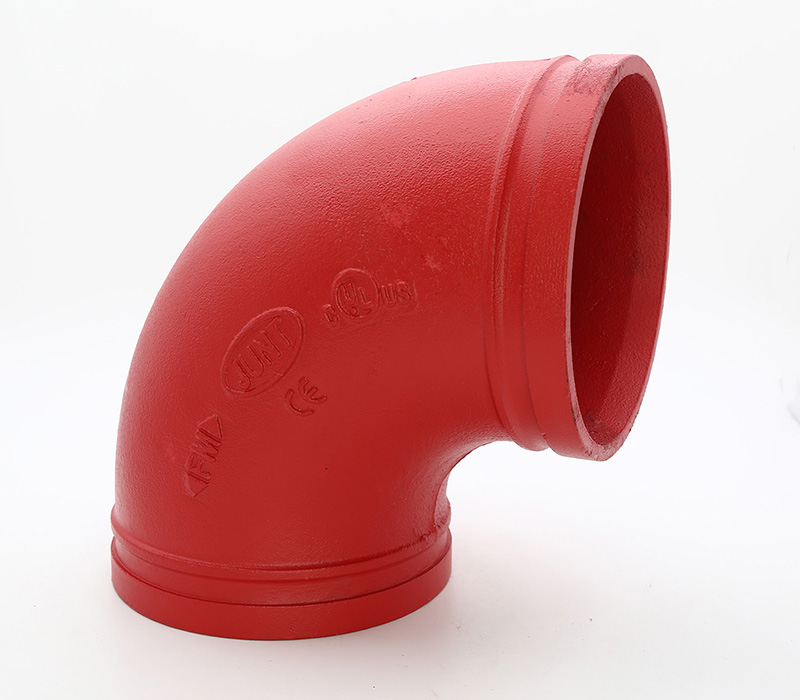
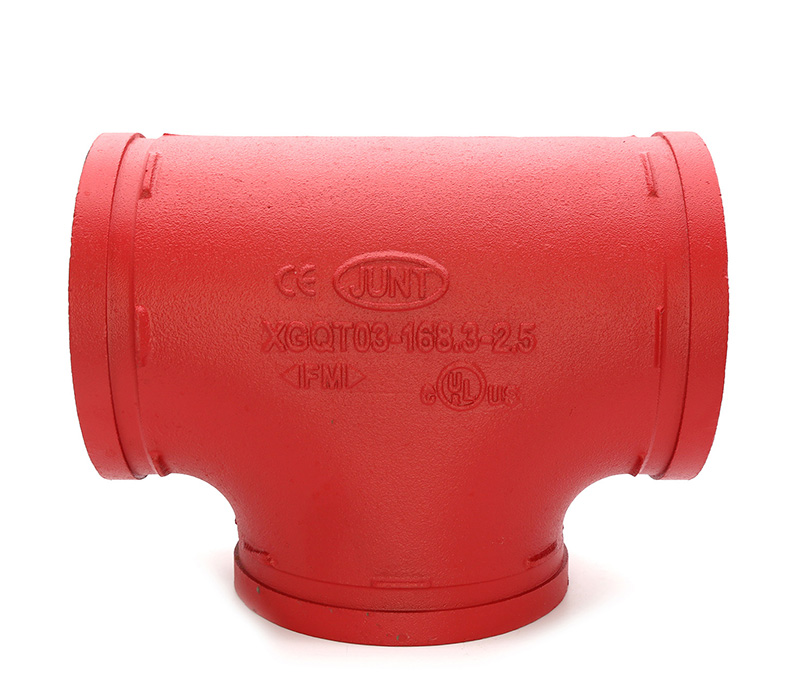
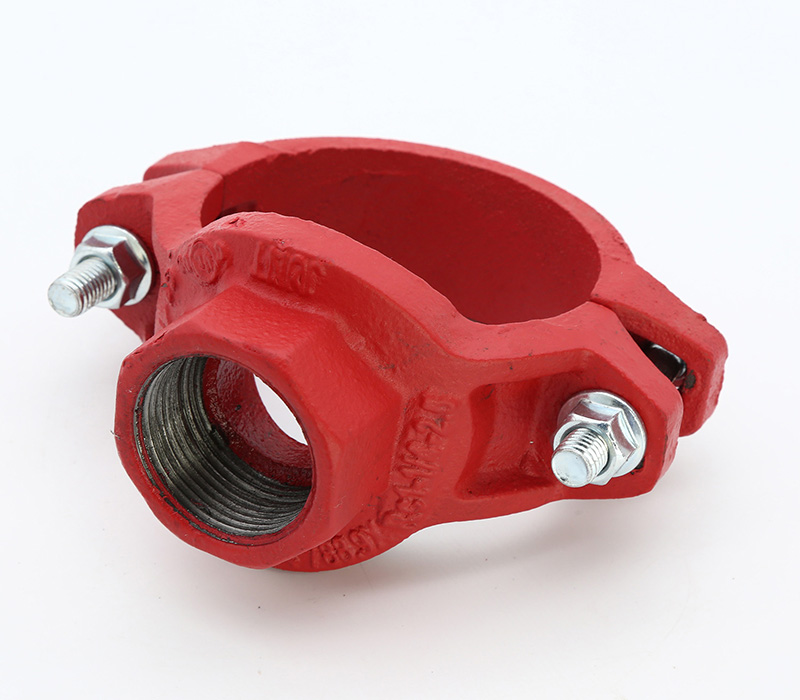
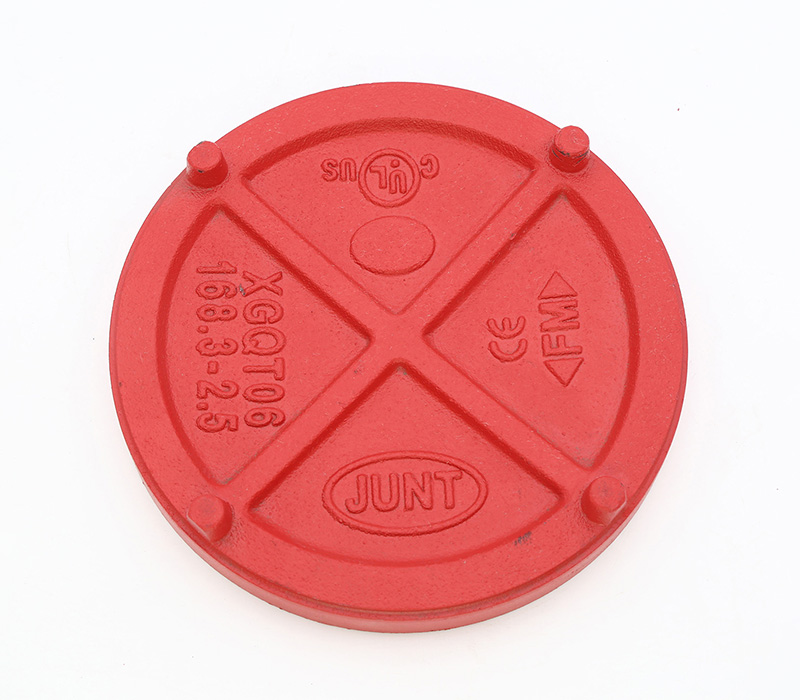
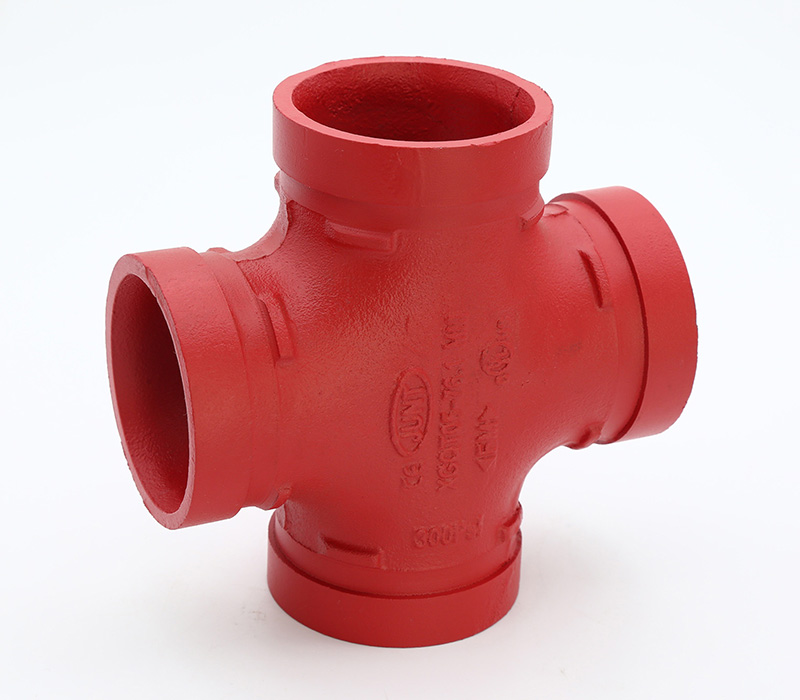
JunTong delivers comprehensive technical support to complement its complete range of grooved fittings, mechanical tees, elbows, and flanges:
- Free Technical Selection Consulting: Engineering consultants review isometric drawings to provide customized rigid vs flexible grooved coupling placement layouts and professional grooved coupling selection recommendations.
- Custom Engineering & Sampling: Specialized fitting dimensions and protective coatings are tailored to unique project specifications with fast sample delivery.
- Strict Quality Assurance: Hydrostatic pressure testing and material certification ensure every JunTong fitting fulfills international quality standards.
Upgrade Your Infrastructure with Premium JunTong Grooved Piping Systems
Ready to elevate your project’s performance with reliable grooved pipe coupling solutions and pipe fittings? Contact JunTong today to discuss technical specifications, request product samples, or receive a free technical selection consultation from experienced engineers.
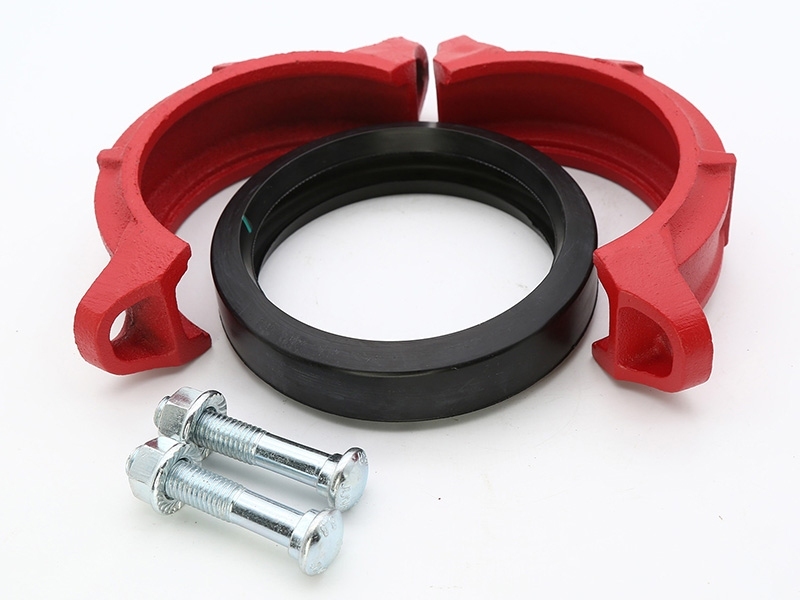
As a professional grooved pipe coupling supplier, JunTong provides dependable solutions for fire protection systems, HVAC networks, and industrial piping applications.
FAQ
Q: What is the primary operational difference between rigid and flexible grooved couplings?
A: A rigid grooved coupling grips the pipe groove tightly to create a fixed joint, while a flexible grooved coupling permits controlled axial movement, angular deflection, and rotation.
Q: How do flexible grooved couplings absorb thermal expansion in HVAC piping networks?
A: A flexible grooved coupling allows linear pipe movement within the housing keys, functioning as a thermal expansion coupling that absorbs pipe growth and contraction across straight runs.
Q: Can rigid and flexible grooved couplings be combined in the same piping system?
A: Yes. A combination of rigid grooved coupling and flexible grooved coupling configurations is common practice. Rigid couplings secure risers and straight sections, while flexible couplings isolate vibration and accommodate structural movement.
Q: What key parameters determine correct grooved coupling selection for fire suppression systems?
A: Grooved coupling selection depends on working pressure, pipe diameter, seismic requirements, operating temperature, certification standards, and whether the application requires a fixed connection or movement accommodation.
Recent Post