ABOUT US
We welcome new and old customers from all walks of life to contact us for future business relationships and mutual success!
GET A FREE QUOTE
-
Home

-
Blog
-
Industry News
- Grooved vs. Flanged Connections for Mechanical & Piping Systems
Grooved vs. Flanged Connections for Mechanical & Piping Systems
-
 JunTong
 - 28,August
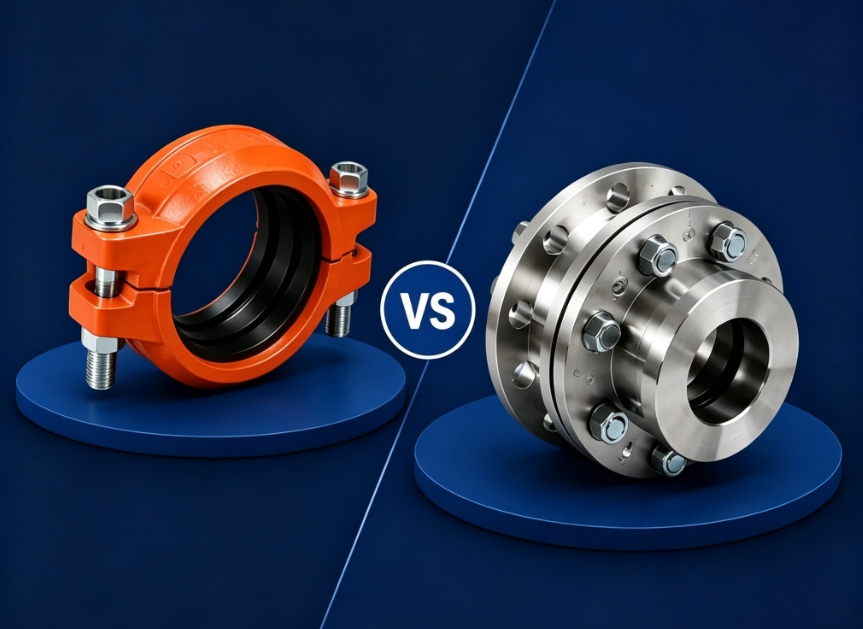
Choosing the right joining method matters a lot in industrial fluid systems, fire protection, and HVAC work. Piping engineers and contractors often compare grooved vs. flanged connections. They weigh starting material costs, on-site labor needs, long-term strength, and overall system safety. Each approach has its own mechanical features suited to certain pressure ratings, installation limits, and work conditions. JunTong, a top maker of high-precision ductile iron pipe fittings, offers full pipeline connection solutions. These solutions improve pipe connection reliability and ease field work.
Understanding the Mechanical Fundamentals of Pipe Joining Methods
Evaluating a grooved connection vs. a flanged connection requires a clear analysis of how each joint distributes mechanical stress, achieves elastomeric sealing, and handles internal pressure.
Working Principle of Grooved Pipe Connection Systems
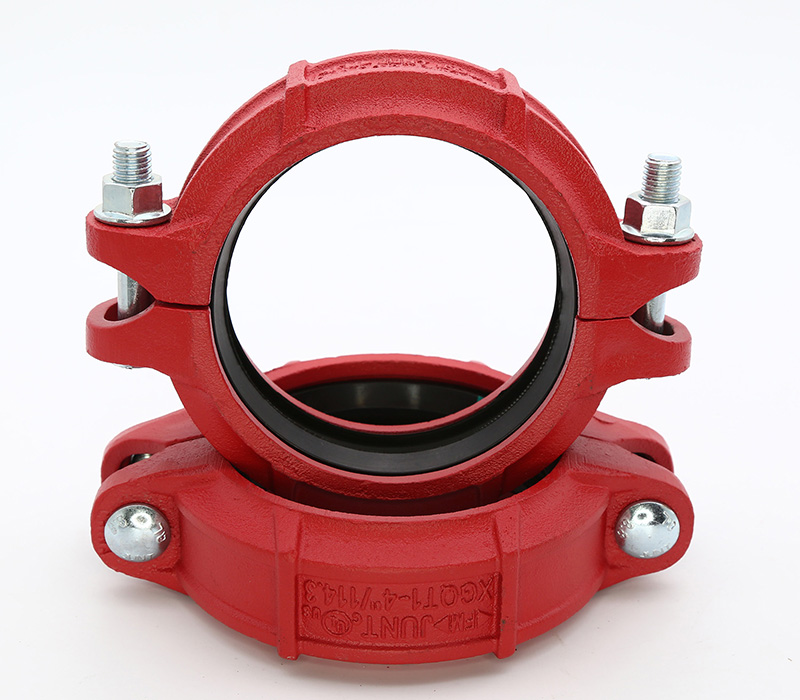
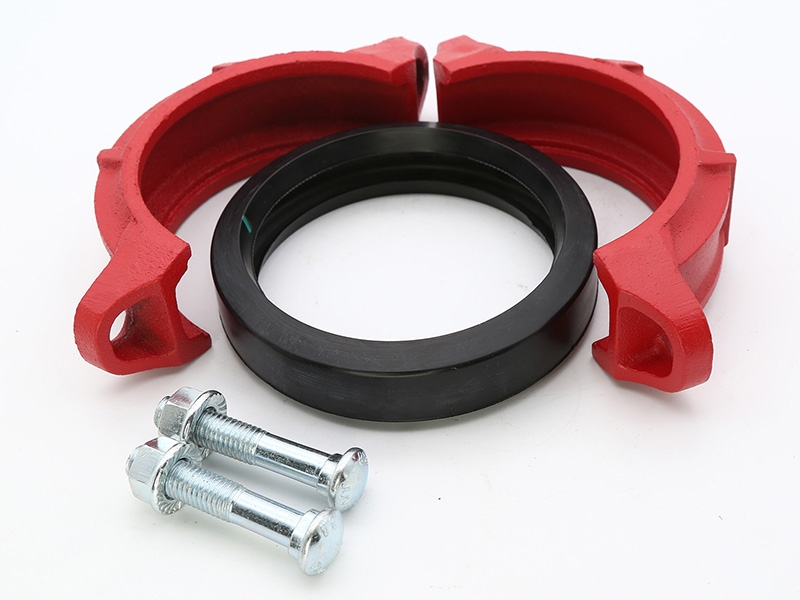
A grooved pipe connection relies on a roll- or cut-groove near the end of the pipe, a pressure-responsive C-shaped rubber gasket, and ductile iron housing clamps tightened by two bolts.
- Mechanical Keying: The housing keys securely fit into the circumferential grooves, locking the pipe ends against axial displacement under pressure.
- Pressure-Responsive Seal: The interior elastomeric gasket expands naturally as system pressure increases, providing leak-free performance.
- Versatile Coupling Types: Utilizing a rigid grooved coupling creates a firm, non-flexing joint suitable for long straight runs, whereas a flexible grooved coupling accommodates linear expansion, thermal contraction, and angular deflection.
Working Principle of Flanged Pipe Connection Systems
A flanged pipe connection secures two mating metal flanges via a circle of high-tensile bolts, sandwiching a flat or spiral-wound gasket between raised or flat faces.
- Bolted Compression: Sealing depends entirely on uniform torque applied across multiple bolts to compress the gasket evenly.
- Rigid Structure: Flanged joints create a rigid junction capable of handling high pressure and elevated temperatures in heavy industrial setups.
- Standardized Interfaces: Flanges conform strictly to international ANSI, DIN, or JIS bolt-hole standards for seamless valve and equipment integration.
Comparative Analysis: Installation Efficiency and Labor Costs
Evaluating the grooved vs flanged installation cost involves assessing site safety conditions, alignment effort, installation efficiency, and total crew hours required per joint.
Grooved Pipe Installation vs. Flanged Assembly Workflow
The grooved pipe installation process eliminates hazardous site operations and significantly reduces setup complexity compared to traditional jointing.
- Speed and Simplicity: Installing a grooved coupling vs flange requires torquing only two bolts, whereas flanged joints demand aligning 4 to 16 bolt holes and applying cross-pattern torque sequences.
- Elimination of Hot Work: Utilizing any grooved piping fitting requires no welding, reducing fire hazard risks, site ventilation setups, and costly hot-work permits.
- 360-Degree Alignment: Installers can rotate components prior to final bolt tightening during a grooved pipe installation, making overhead and tight-space assembly straightforward.
Financial Impact on Overall Project Schedules
Labor efficiency directly dictates overall piping budget performance during commercial construction or facility modernization.
- Labor Reduction: Grooved mechanical systems lower assembly time by up to 60–70% compared to traditional flanged or welded connections, optimizing installation efficiency.
- Lower Total Installed Cost: Although initial fitting costs vary, the drastic reduction in skilled labor hours yields a significantly lower grooved vs flanged installation cost overall.
- Schedule Acceleration: Fast mechanical assembly allows contractors to meet tight commissioning deadlines without sacrificing quality or system integrity.
Operational Reliability and Long-Term Maintenance Requirements
Long-term pipe connection reliability depends on fitting the joint type to the stresses in use, fluid temperatures, and needs for maintenance access.
System Flexibility, Seismic Performance, and Vibration Attenuation
Piping networks deal with ongoing stress from pump vibrations, heat changes, and ground movement in earthquakes.
- Vibration Isolation: The elastomeric gasket in grooved couplings works as a built-in dampener for noise and vibration. It helps protect pumps and chillers from damage.
- Thermal Movement Accommodation: A flexible grooved couplingdesign takes in linear pipe expansion and contraction without extra loops.
- Rigid Joint Stability: Rigid grooved couplinghousings feature gripping teeth that hold pipe ends firmly, providing structural support comparable to flanged connections.
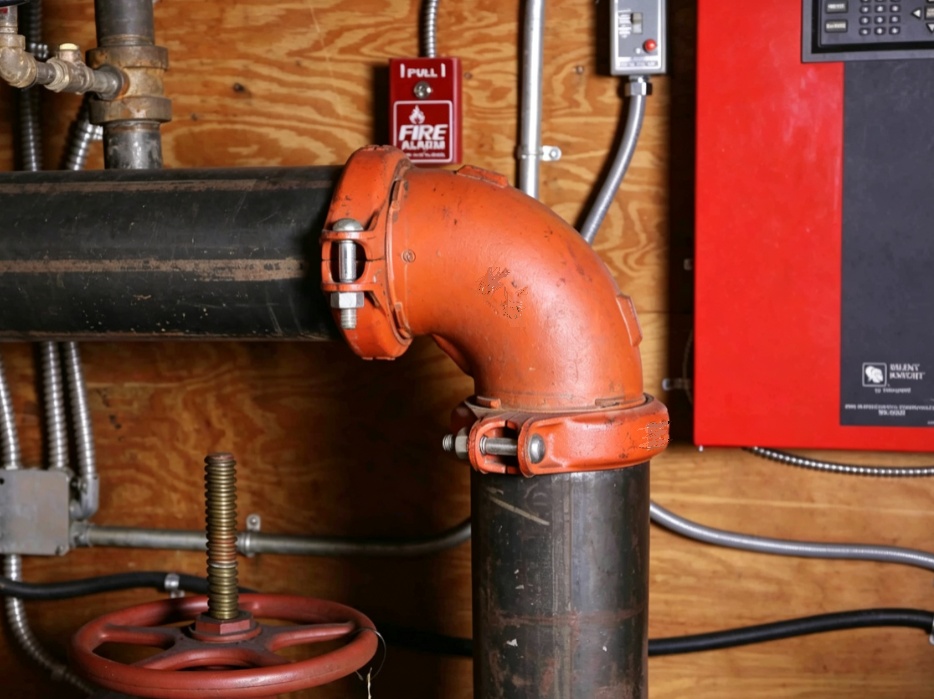
Maintenance Downtime and Serviceability
Cutting maintenance downtime for checks or fixes affects how much work gets done and the money spent on operations.
- Fast Disassembly: Taking apart a grooved joint needs only two bolts undone. This gives quick access for clearing lines or swapping valves, which cuts maintenance downtime.
- Reusable Components: The housings and bolts from grooved joints can be used again after checks. Only the gasket may need a look or swap to keep pipe connection reliability high.
- Flange Maintenance Effort: To replace a flanged gasket, workers must spread the heavy flanges, clean the faces if corroded, and tighten the many bolts again. This adds to grooved vs flanged maintenance costs.
Engineering Application Scenarios for Optimal System Design
Matching product configurations to specific engineering environments ensures long-term system integrity and operational efficiency.
Commercial HVAC, Fire Protection, and Industrial Utilities
Selecting between grooved and flanged fittings depends heavily on code requirements, working pressures, and accessibility.
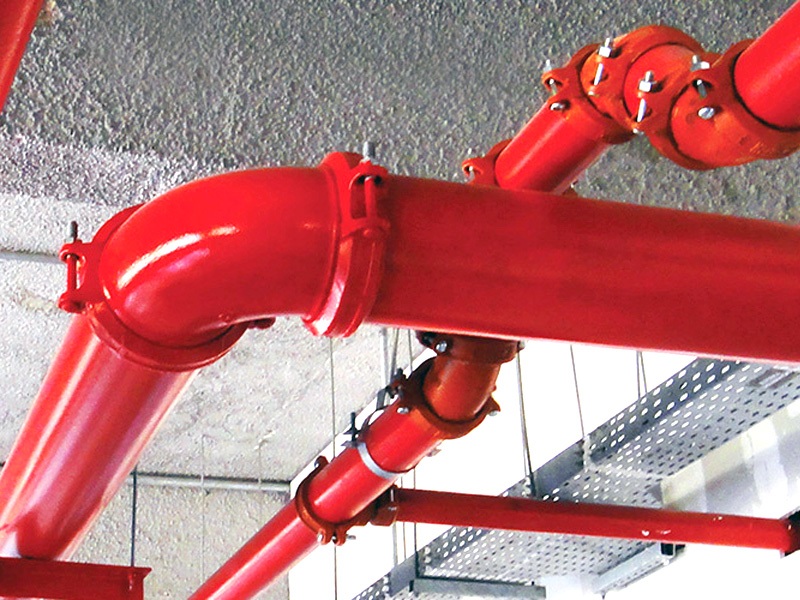
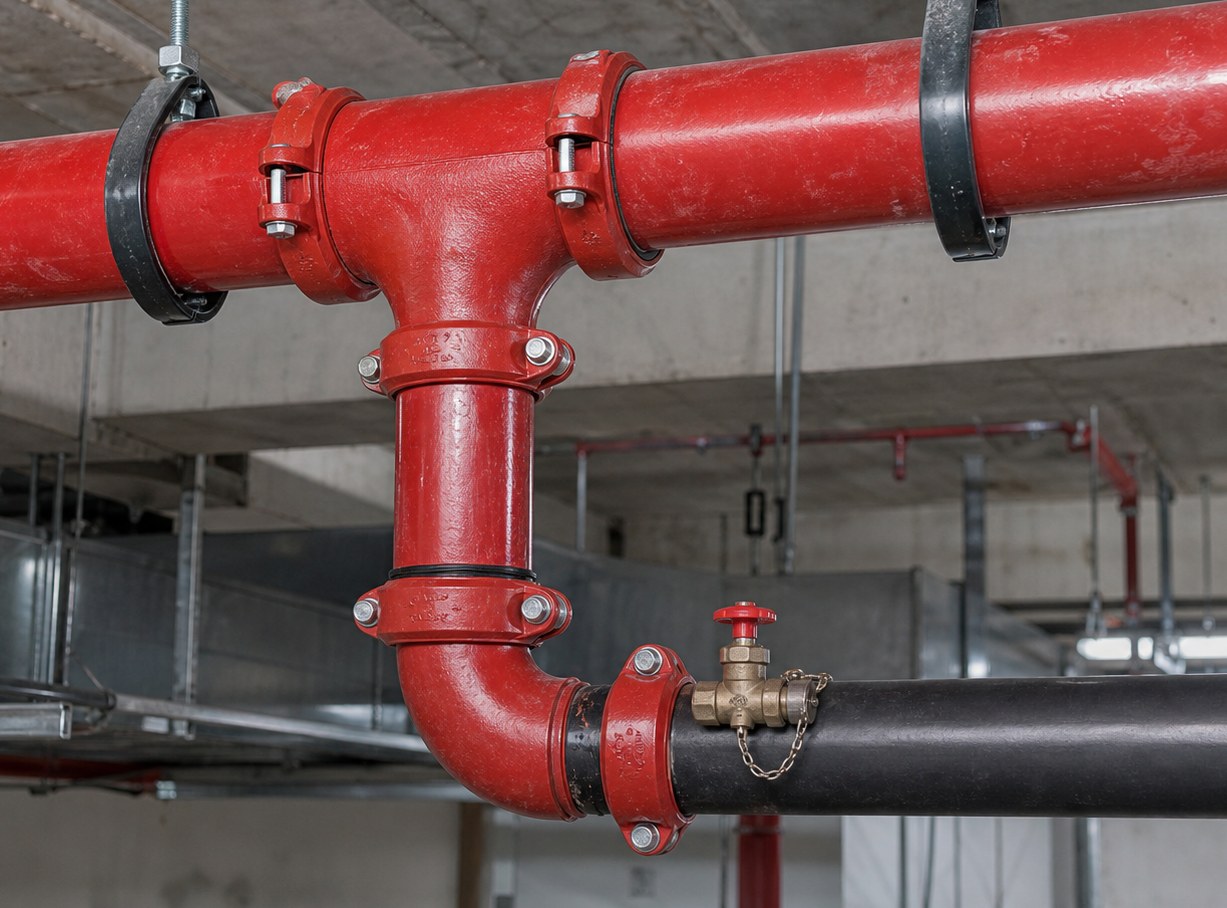
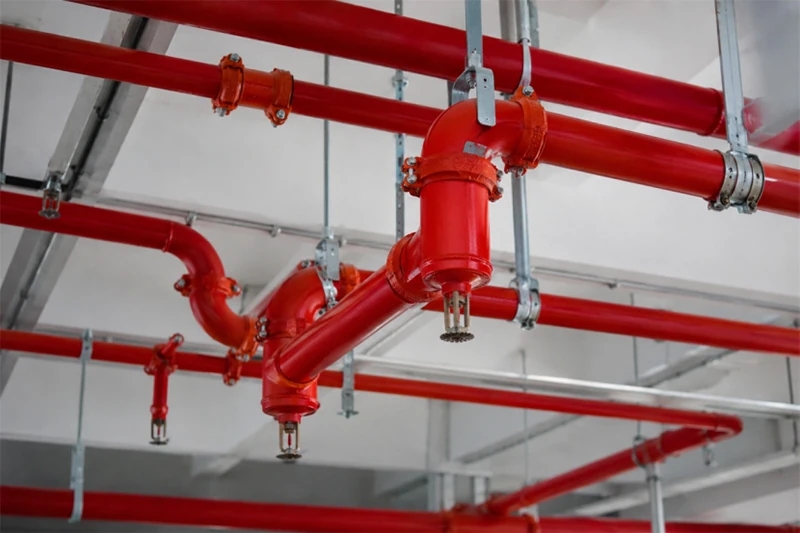
- Fire Sprinkler Networks: Grooved ductile iron systems dominate fire protection lines due to quick assembly, high working pressures, and UL/FM safety compliance.
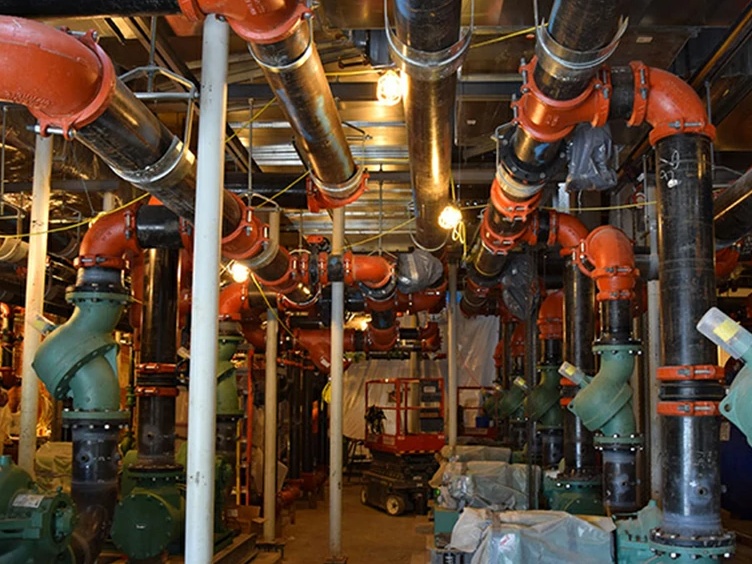
- High-Rise HVAC Systems: Dual-use setups employ a rigid grooved coupling arrangement on risers for structural alignment and a flexible grooved coupling design on branch lines to absorb thermal expansion.
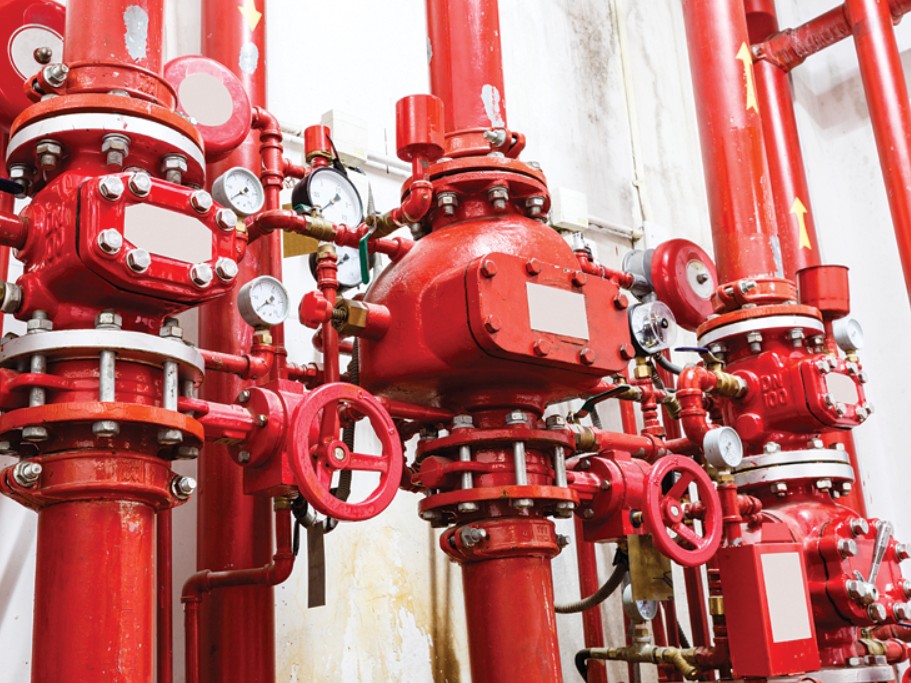
- Heavy Chemical Processing: Traditional flanged connections remain preferred for extreme high-temperature steam applications or aggressive fluid media requiring specialized metallic gaskets.
Hybrid System Integration via Grooved Flange Adapters
Bridging grooved pipelines with flanged valves or pumps requires specialized transition fittings.
- Seamless Interface: A grooved flange adapter allows direct connection between grooved piping and flanged equipment without welding or custom fabrication.
- Space Optimization: Compact transition adapters eliminate long spool pieces, saving space in mechanical rooms and pump stations.
- JunTong System Support: JunTong supplies precision-engineered ductile iron adapters and full technical selection guidance to prevent sizing errors and ensure leak-free transitions.
Partner with JunTong for Advanced Pipeline Solutions
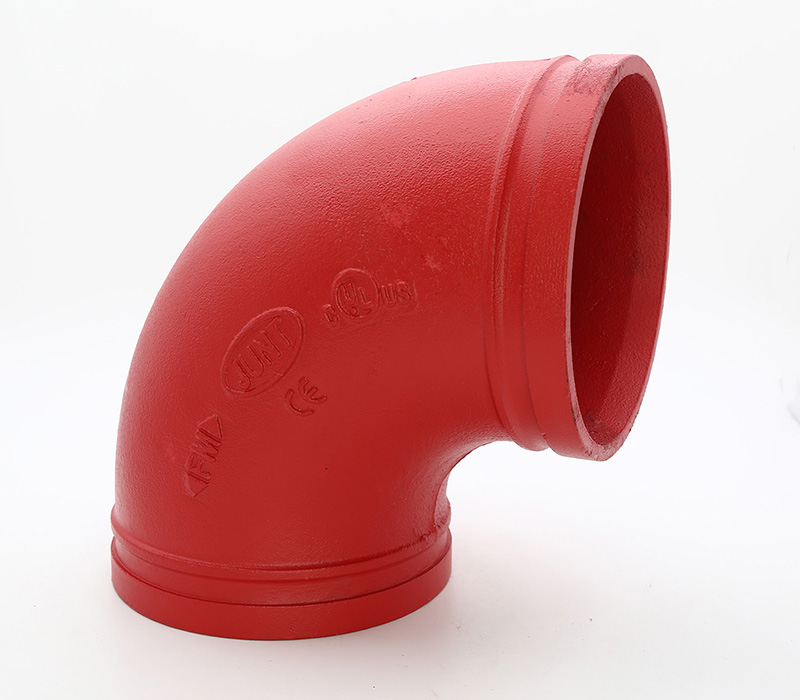
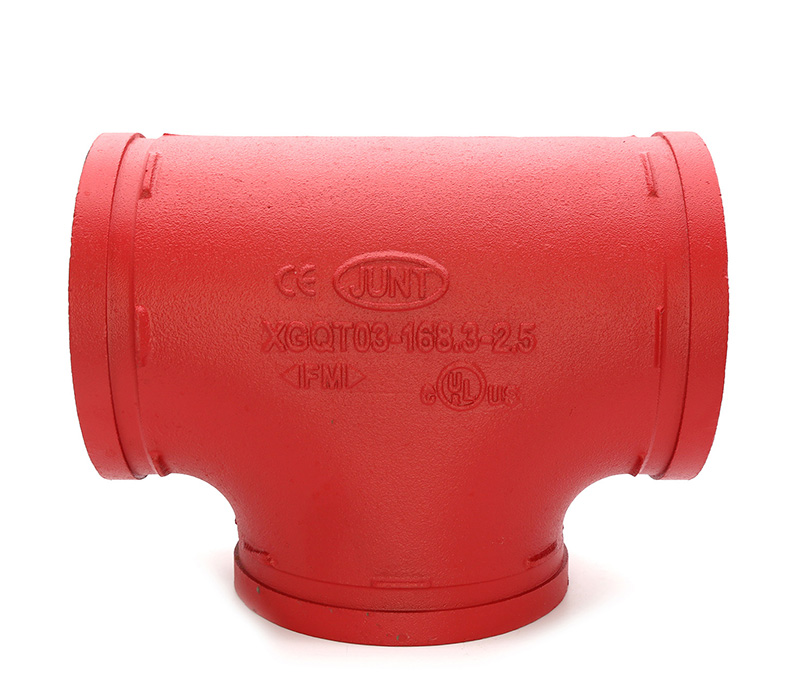
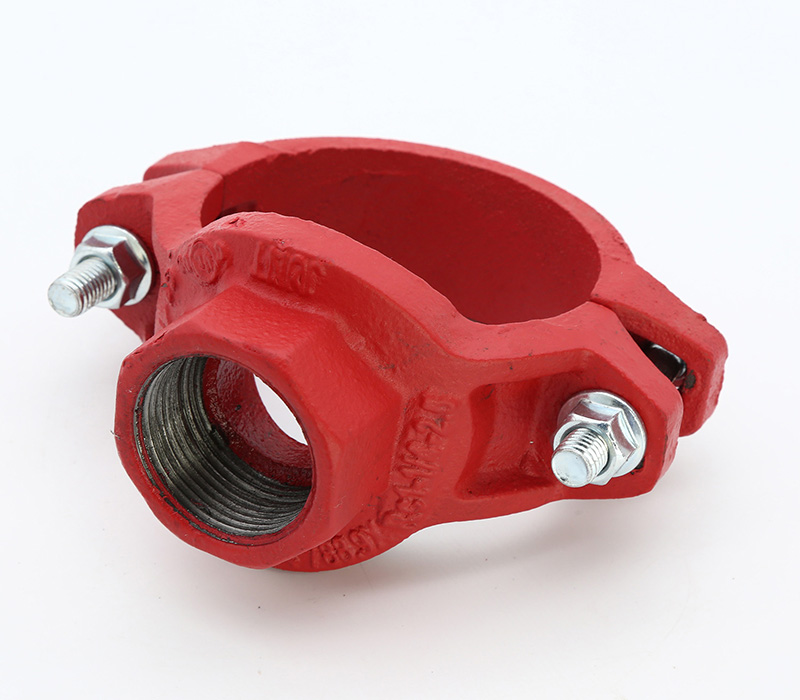
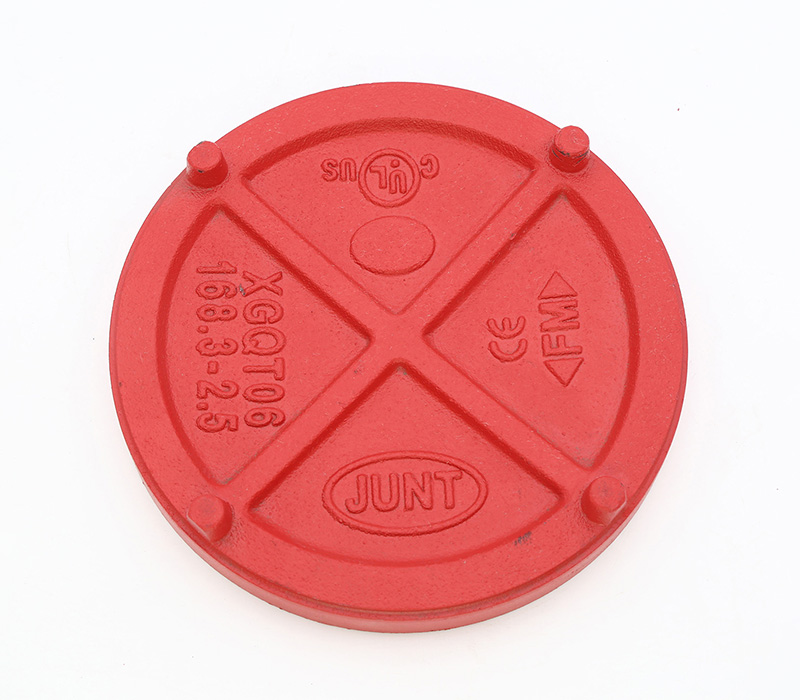
Whether you are designing a high-rise fire protection system or updating industrial utility lines, JunTong provides durable, precision-molded ductile iron grooved couplings, tees, reducers, and flange adapters tailored to your project requirements. Contact our engineering sales team today at speng@groovedfitting.cn to request a custom quote, technical datasheet, or free project selection support.
FAQ
Q: Can grooved couplings withstand the same pressure ratings as traditional flanged connections?
A: Yes. High-grade ductile iron grooved couplings handle working pressures up to 300–500 PSI. The rating depends on size and wall thickness. They match standard Class 150 and Class 300 flanged systems in commercial and industrial applications.
Q: Is it possible to connect a grooved piping system directly to existing flanged equipment?
A: Yes. A grooved flange adapter lets engineers move from a grooved pipe connection straight to a standard flanged pump, valve, or tank. No hot work or special transition spools are needed.
Q: How do flexible grooved couplings handle thermal expansion compared to rigid flanged joints?
A: A flexible grooved coupling allows controlled axial movement and angular deflection within the groove. It absorbs thermal expansion naturally and reduces the need for costly expansion joints or loops that rigid flanged networks require.
Q: How do maintenance costs compare between grooved and flanged piping over a 10-year operational lifecycle?
A: Grooved systems give a lower long-term grooved vs. flanged maintenance cost profile. Joint inspection and gasket replacement need only two bolts per joint. This cuts system maintenance downtime by up to 70%.
Recent Post