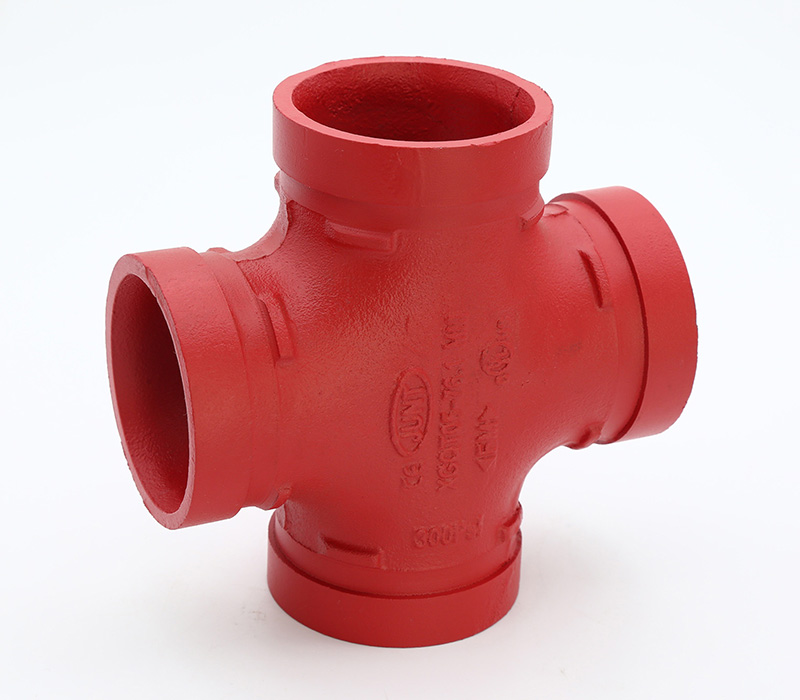
ABOUT US
We welcome new and old customers from all walks of life to contact us for future business relationships and mutual success!
GET A FREE QUOTE
-
Home

-
Blog
-
Industry News
- Ultimate Guide to Grooved Flanges: Engineering & Installation
Ultimate Guide to Grooved Flanges: Engineering & Installation
-
 JunTong
 - 24,July
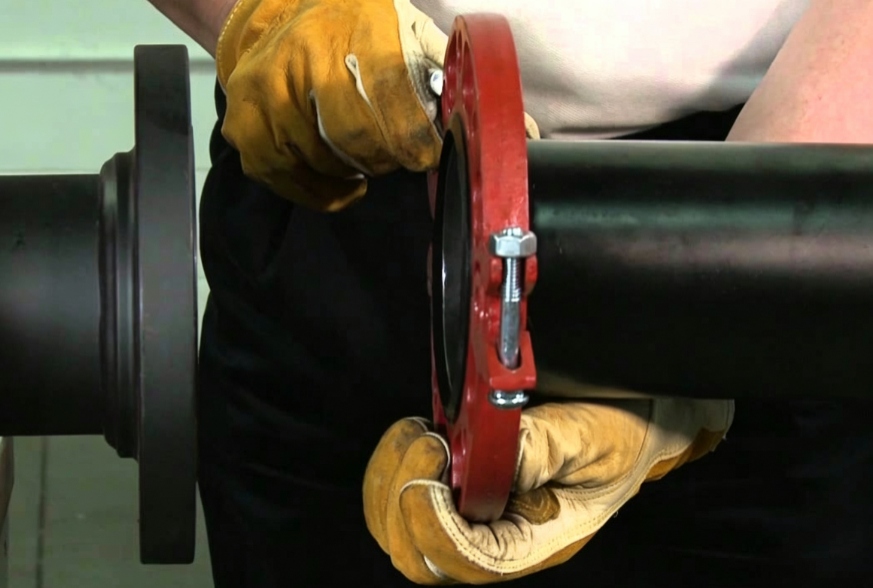
Modern industrial piping projects need reliable connection systems. These systems must provide strong safety, fast installation, and lower costs throughout the entire service life. For many years, welded and threaded flange connections served as the main option for high-pressure lines. However, they bring substantial labor expenses, fire risks on site, and problems with getting pipes properly aligned.
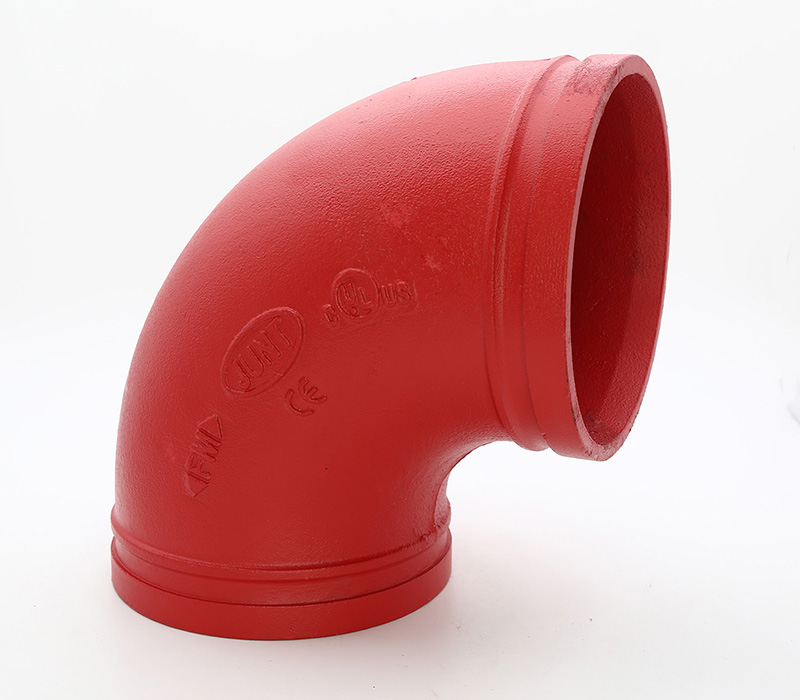
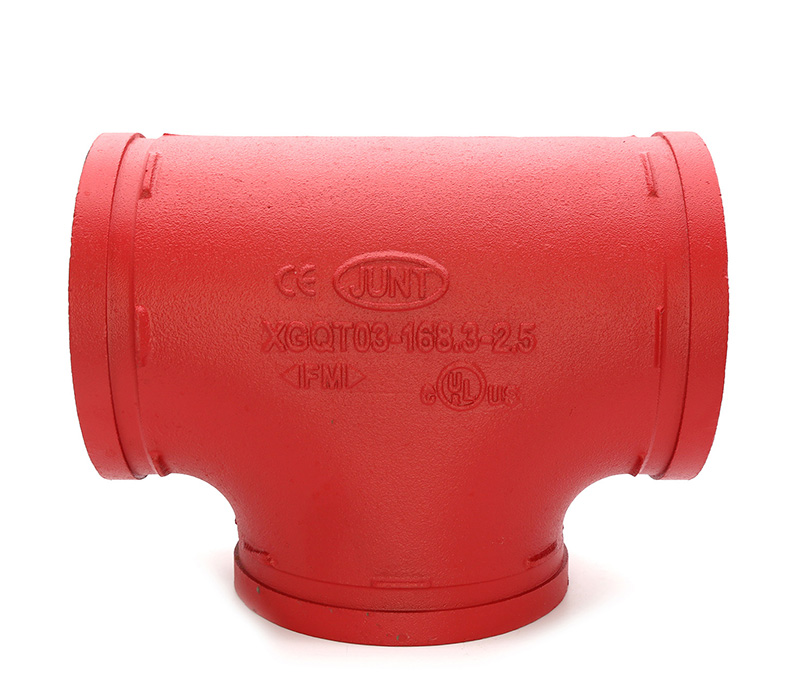
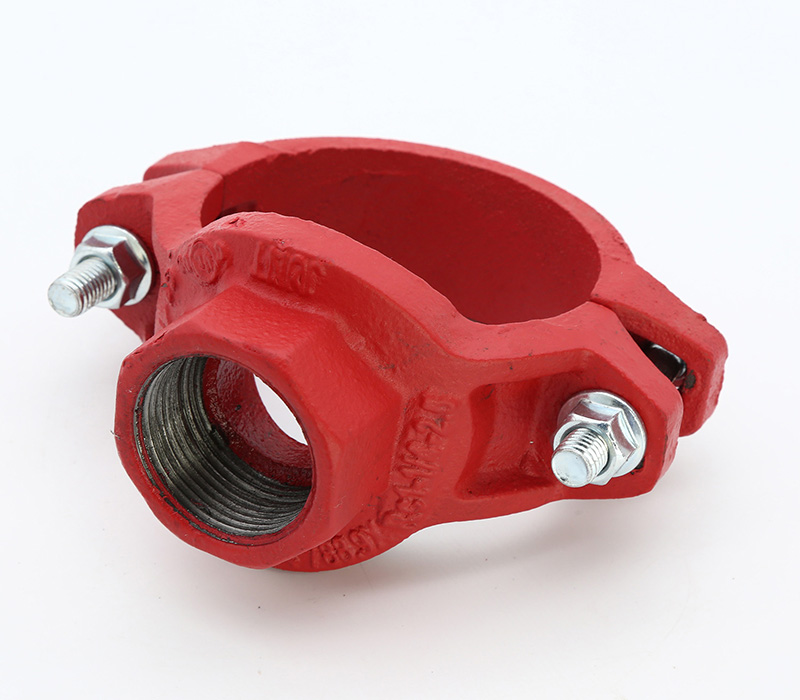
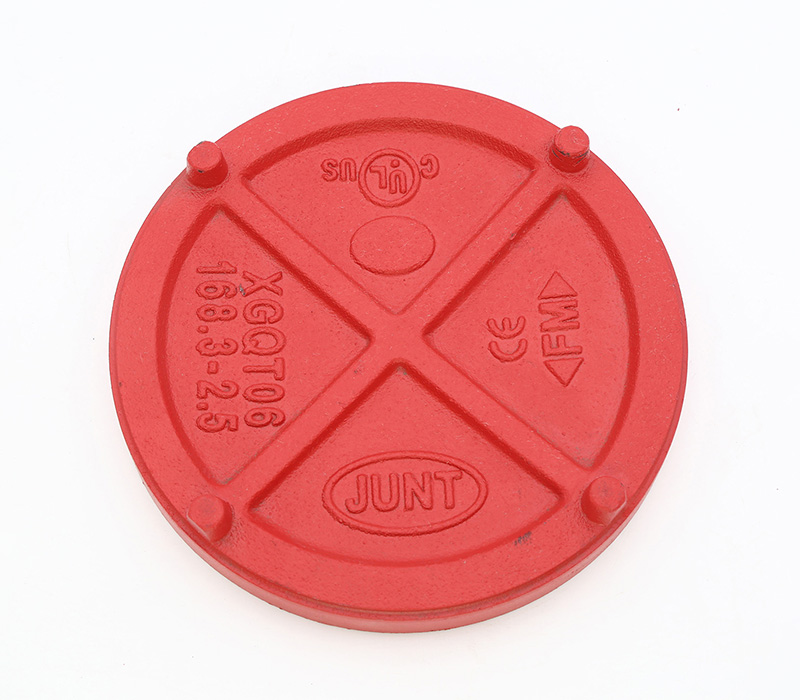
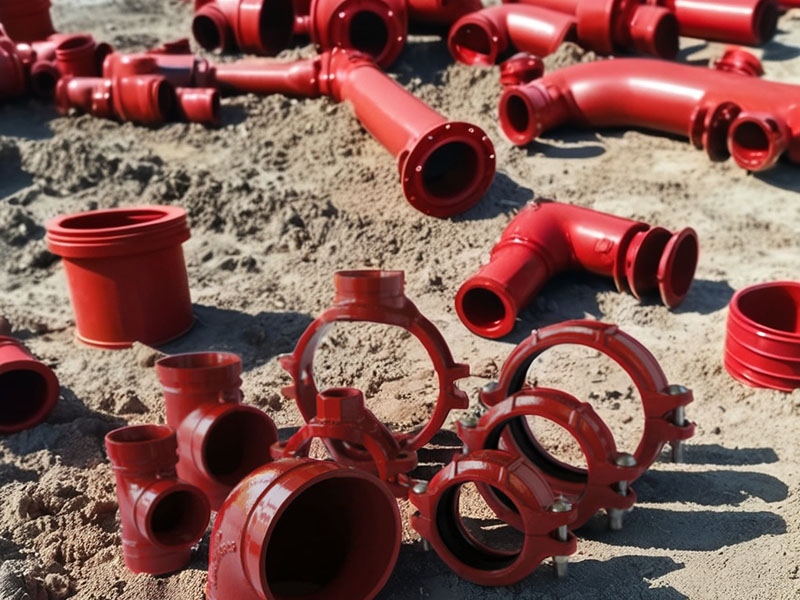
This is where grooved flanges step in. They change how teams plan, carry out, and maintain piping networks. JunTong operates as a leading global manufacturer with annual production exceeding 150,000 tons. Since 2004, the company’s specialized ductile iron grooved flanges and fittings have delivered strong, leak-free joints. These components support important water systems, HVAC installations, mining operations, and fire protection networks in many countries.
Technical Overview & Engineering Specifications of Grooved Flanges
To see why grooved flanges work better than older methods, consider the basic mechanical principles that shape their design.
Material Integrity and Manufacturing Excellence
Selecting the right base material plays a key role. It allows pipelines to handle sudden pressure increases and varying site conditions.
- Ductile Iron ASTM A536 Grade 65-45-12: Our grooved flanges are cast from high-grade ductile iron. This material supplies solid tensile strength and yield performance similar to carbon steel.
- Thickened Body Design: These flanges use a thicker structural build compared with standard light-duty castings. The extra material supports high-pressure resistance and suits heavy-duty work.
- Corrosion-Resistant Surface Options: To handle tough environments, we offer several surface treatments such as hot-dip galvanizing, epoxy powder coating, and specialized plastic coatings.
Elastomeric Sealing Mechanisms
The flange body gives the necessary strength. The inner gasket maintains a tight seal over long periods.
- Pressure-Responsive Sealing: The rubber gaskets expand under pressure. They create a tighter seal as pressure inside the pipeline rises.
- Temperature-Matched Formulations: EPDM gaskets suit both hot and cold water systems. Nitrile versions resist petroleum products and different chemicals.
- Dual-Lip Gasket Profiles: This profile keeps the seal steady even with minor pipe movement from deflection or temperature changes.
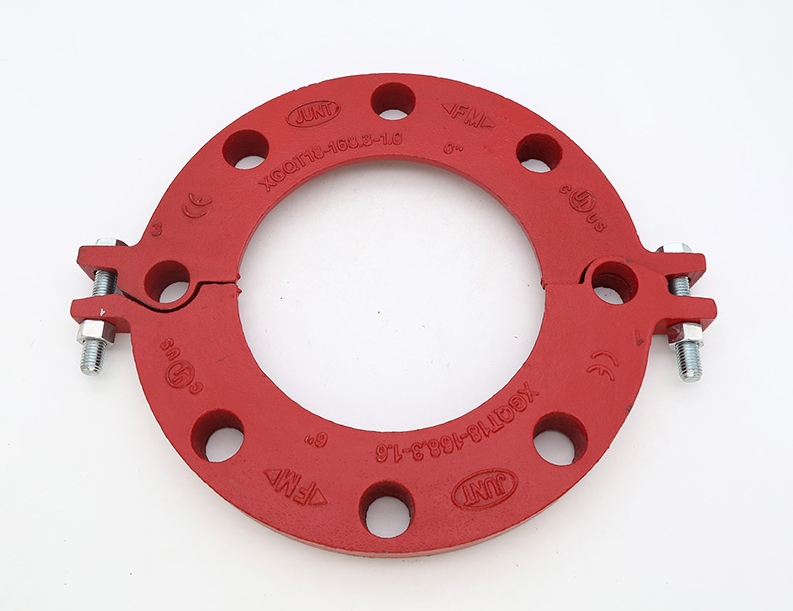
Industrial Advantages: Solving Piping Challenges
Grooved flanges shift projects away from slow welding work toward mechanical connections that install consistently.
Drastic Reduction in Installation Downtime
Traditional joining methods like welding need certified workers, hot-work permits, and time for joints to cool.
- No Hot-Work Required: Grooved flanges involve no welding or open flames. Teams can install them safely in active plants or areas with flammable materials.
- Machined Efficiency: Contractors roll-groove the pipe end and tighten the joint with common hand tools.
- Up to 3x Faster Assembly: Grooved flanges can reduce labor hours by up to 70 percent versus welding. This saving lowers overall project costs.
Deflection, Expansion, and Vibration Absorption
Rigid piping often develops cracks or leaks when movement occurs.
- Inherent System Flexibility: Grooved flanges allow some angular deflection. This feature handles misalignments and normal building settlement.
- Vibration Dampening: The elastomeric gasket inside reduces vibration from pumps and compressors. It protects instruments farther down the line.
- Seismic Resilience: Flexible joints spread across the pipeline make the system less likely to suffer serious damage during earthquakes.
Versatile Application Scenarios Across Key Industries
The mechanical features of grooved flanges suit many demanding situations.
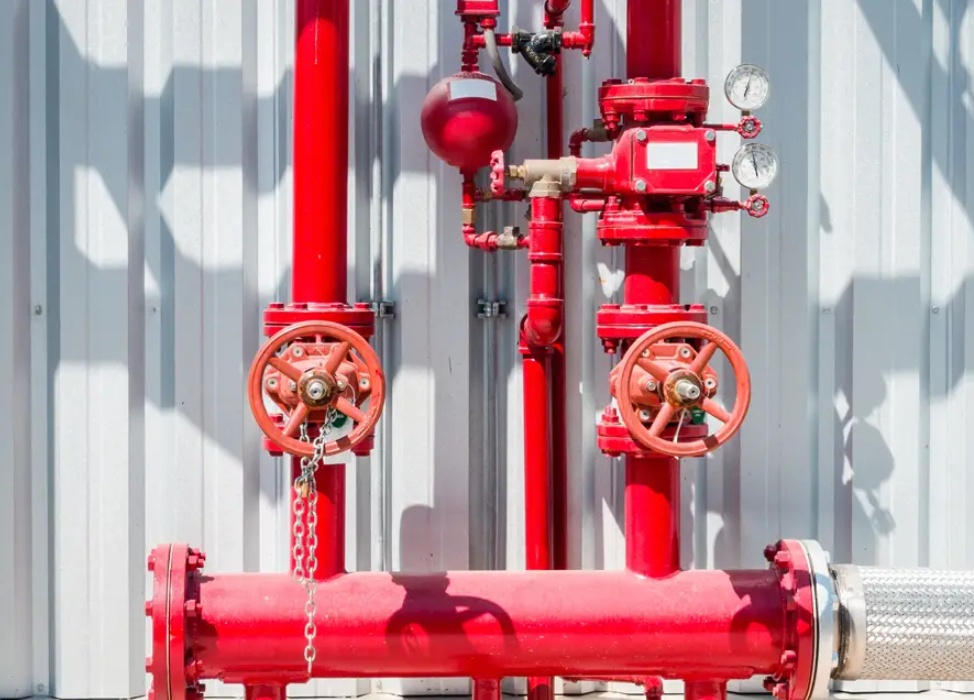
- Fire Protection Systems: These groovedflanges serve main water supplies and sprinkler networks. They provide the required structural reliability, seismic resistance, and quick installation.
- HVAC and Commercial Plumbing: Grooved flanges appear often in high-rise building chillers, condenser water loops, and plumbing lines. They reduce equipment vibration and limit mechanical noise.
- Mining and Industrial Fluid Processing: Thegrooved flanges handle slurry lines, process water pipes, and tough mining sites. Their simple maintenance and ability to accept deflection on uneven ground prove valuable.
Step-by-Step Installation Best Practices
A leak-free joint rated for high pressure comes from careful installation work.
Pipe End Inspection and Grooving
Proper pipe preparation forms the foundation for a good connection. Always check the key measurements.
- Check Groove Dimensions: Verify that groove width, depth, and distance from the pipe end match manufacturer specifications exactly.
- Deburr the Pipe: Clear away slag, rust, and sharp edges. This step prevents damage to the rubber sealing gasket.
- Ensure Roundness: Confirm the pipe end remains round. An out-of-round condition stops the flange halves from seating correctly.
Gasket Lubrication and Alignment
Good lubrication keeps the gasket from pinching or tearing during assembly.
- Apply Non-Petroleum Lubricant: Coat the gasket exterior and lips with a compatible lubricant. This helps the gasket slide smoothly onto the pipe.
- Align the Bolt Holes: Turn the grooved flanges until bolt holes line up with the mating flange before any tightening begins.
- Check Gasket Seating: Make sure the gasket stays inside its groove and does not extend past the pipe end.
Bolting and Final Inspection
Even pressure on the gasket requires uniform bolt tightening.
- Cross-Pattern Tightening: Tighten bolts in a diagonal alternating pattern. This method pulls the flange halves down flat.
- Torque to Specification: Use a calibrated torque wrench to reach the recommended torque values on all bolts.
- Metal-to-Metal Contact: Look at the joint after tightening. The bolt pads on the flange halves should touch firmly.
Technical Support and Services by JunTong
A specialized manufacturer brings high-quality and steady project help.
Precision Engineering and Rigorous Testing
JunTong follows strict quality practices supported by modern manufacturing and testing setups.
- Advanced Metallurgy Laboratories: Every batch of ductile iron receives detailed checks in our physical and chemical labs. Precision spectrometers confirm material quality.
- 100% Pressure Testing: Each grooved flange product undergoes complete hydraulic pressure testing. This process supports safe on-site performance before shipping.
End-to-End Project Consulting and Customization
The company supplies more than basic parts. Technical teams collaborate with customers so fluid systems perform well for many years.
- One-on-One Selection Plans: Consultants review project drawings and recommend suitable products at no cost.
- Global Logistics and Support: With 150,000 tons of annual capacity, JunTong delivers 24-hour technical advice and quick replacement parts worldwide.
Conclusion
Switching to grooved flanges helps speed up piping work, raise safety, and reduce unexpected downtime. Work with a manufacturer that has supplied dependable piping solutions for more than twenty years.
Ready to improve your piping setup? Contact JunTong today. Request a detailed quote, receive free product selection help, or order high-performance samples for your next job.
FAQ
Q: Can grooved flanges be used in high-temperature steam lines?
A: No. Grooved flanges do not work well in high-pressure steam service. Their elastomeric gaskets hit temperature limits. These limits sit around 110°C to 120°C for EPDM. Steam lines require metal seals instead.
Q: Are grooved flanges compatible with standard ASME/ANSI companion flanges?
A: Yes. Bolt-hole patterns on quality grooved flanges match ASME B16.5 Class 150, PN10/PN16, or JIS 10K companion flanges. The match makes connections to existing networks simple.
Q: How does the pressure rating of a grooved flange compare to a traditional welded flange?
A: Grooved flanges are made of ductile iron such as ASTM A536. They handle working pressures up to 300 PSI or higher. The rating depends on size. These values fit most plant requirements without issue.
Q: What is the main cause of joint failure or leakage in a newly installed grooved flange?
A: Nearly all early failures come from installation errors. These include grooves cut outside specifications, missing gasket lubrication, or bolts tightened unevenly.
Recent Post